

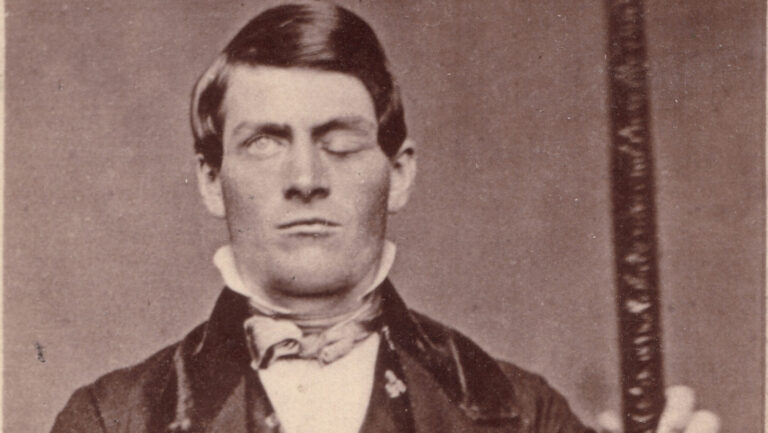
This is the brief story of a man from the 1800s who experienced a traumatic brain injury in the wildest way possible, and how that incident shifted the global scientific community from belief in phrenology to that of neurological sciences.
Mr. Phineas Gage was born into a family of farmers in Lebanon, NH, on July 9th, 1823. He grew up an otherwise ordinary man who had a pleasant demeanor and a good work ethic.
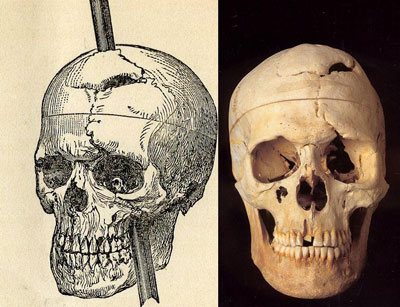
By the time he was 25 years old in 1848, Phineas Gage was working for the Rutland and Burlington Railroad Company as a foreman in Cavendish, VT. He was clearing rocks with explosives to help level the ground when something wild happened. Following protocol, he drilled a hole into the ground, placed an explosive charge inside, and put gunpowder down into the hole. However, he forgot to throw sand on top of the gunpowder as a protective barrier first before tamping it down with a 1.1-meter-long and 3.2-centimeter-wide metal rod that weighed around 13 pounds.
By forgetting to pour in the sand, the strike he made with the metal rod to the gunpowder created a spark that ignited the gunpowder, sending the rod flying through his cheekbone and through the back of his skull, with the rod landing about 80 feet away. Phineas remained conscious, able to speak, and was even able to walk to a nearby cart, where he was taken to a doctor to be examined. There, he was able to recount what had happened to him but had difficulty counting money, for example.
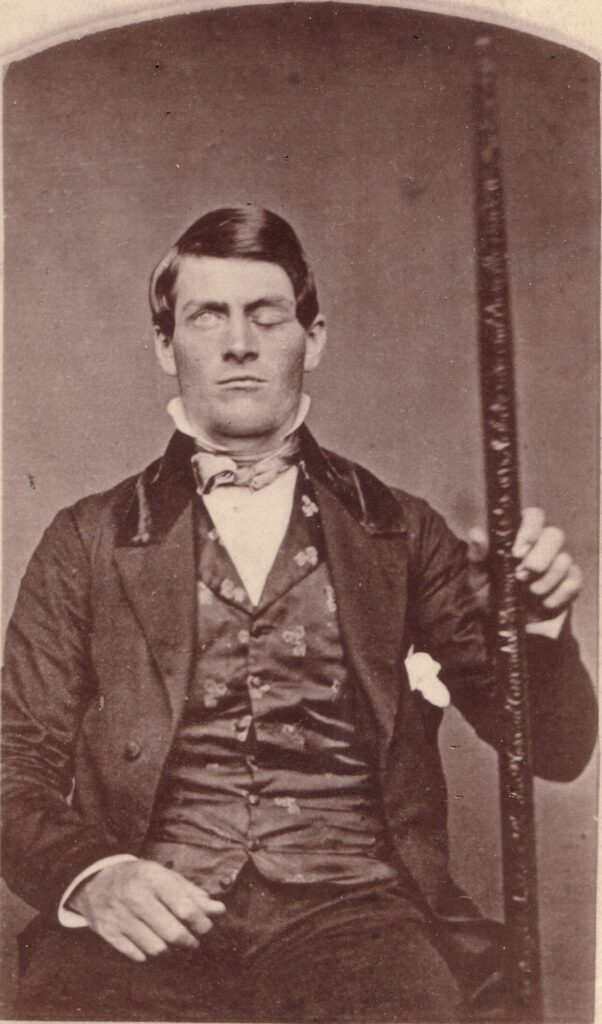
It was a miracle that he was still alive, let alone talking after the incident. His friends noted that his personality had changed from that of a pleasant man to a surly, aggressive heavy drinker who was unable to hold down a job, however. He was “no longer Gage.” After his recovery, he was unable to work for the railroad company anymore due to his abrasive personality changes. He ended up earning a living by traveling around New England and Europe, taking the tamping rod along with him to show what had happened to him. He also worked for seven years in Chile as a stagecoach driver.
Almost 12 years after the incident when his health was declining, he moved to San Francisco where his mother was at the time and he eventually died of a series of epileptic seizures.
At the time, phrenology was the gold standard for understanding the operations of the brain. While phrenology did initially help gain world interest in brain function, it was still a pseudoscience. Spawned in the late 1700s and continuing to the mid-1800s, scientists believed that bumps and indentations found on the human skull, along with the shape of it, were directly linked to a person’s personality, character, and abilities. 35 “faculties” were constructed, all listed in the link in the previous sentence.
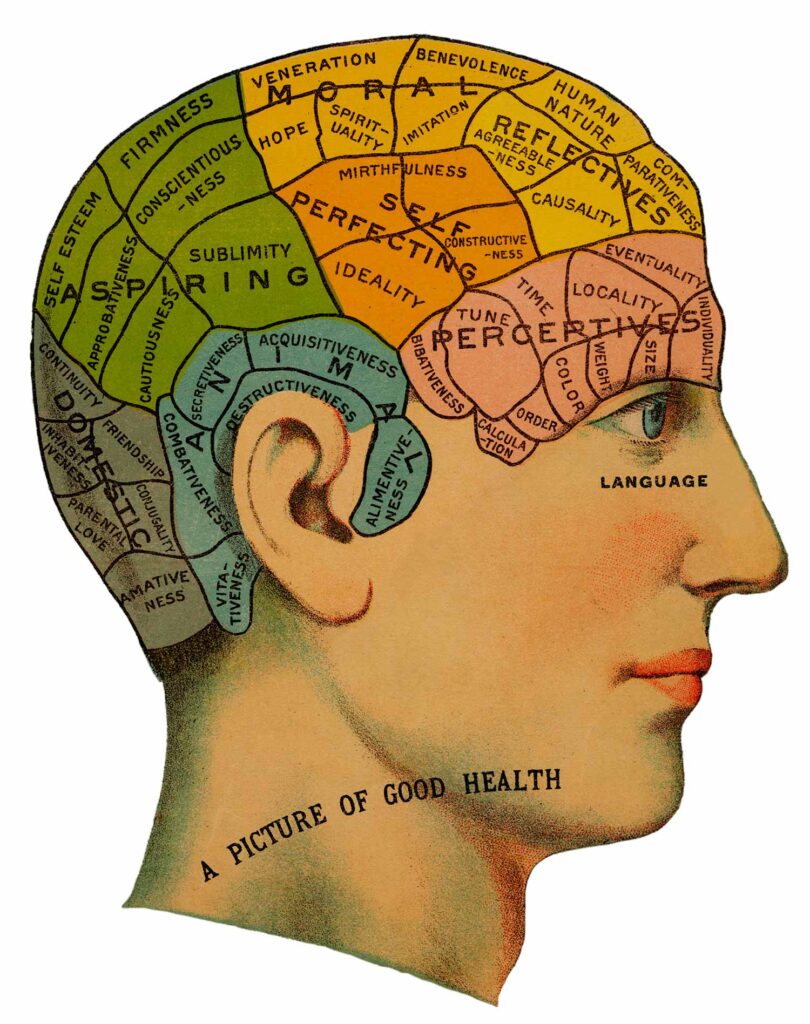
The case study of Phineas Gage was pivotal in influencing early neurology and phasing out phrenology. Prior to the accident, it was commonly believed that the frontal lobes served no purpose, but afterwards, scientists began to believe that more testing needed to be done to understand brain function better, all due to Phineas’ accident and his altered personality.
In 1861, for example, French neurologist Pierre Paul Broca worked with frontal lobes and speech affectation. There is now an area of the brain called Broca’s area. Following suit, a German by the name of Carl Wernicke studied the temporal lobes around 1874, which is now called Wernicke’s area in the left temporal lobe, and in 1881, Scottish neurologist David Ferrier removed the frontal lobes of monkeys and was able to observe personality changes.
More recently, this article from 2012 describes how Gage’s skull, now shown on display at Harvard Medical School, would have been too fragile to move for further imaging, so scientists took the time and effort to track down his previously lost imaging from 2001 for study. Using 110 modern-day brain images of right-handed males and using computers to composite them all over Gage’s virtual skull, they were able to determine that 11% of Gage’s white matter was damaged, along with 4% of his cortex. This allowed for even further understanding of the brain’s functions and shows that even in modern times, neurologists are still learning about how the brain affects the body and behaviors.
There is no way that Phineas Gage could have known that what had happened to him would revolutionize the field of neurology, but it most certainly did. When I worked as an interventional radiology nurse, patients would be sent to us after having had a stroke, and through a groin puncture, the neurosurgeon would quickly snake wires all the way through the vasculature up to the brain, then would light up the brain’s vascular structure of each hemisphere with contrast to see where the blood embolus was, and suck it out. In a day or so, patients would regain most of their function.
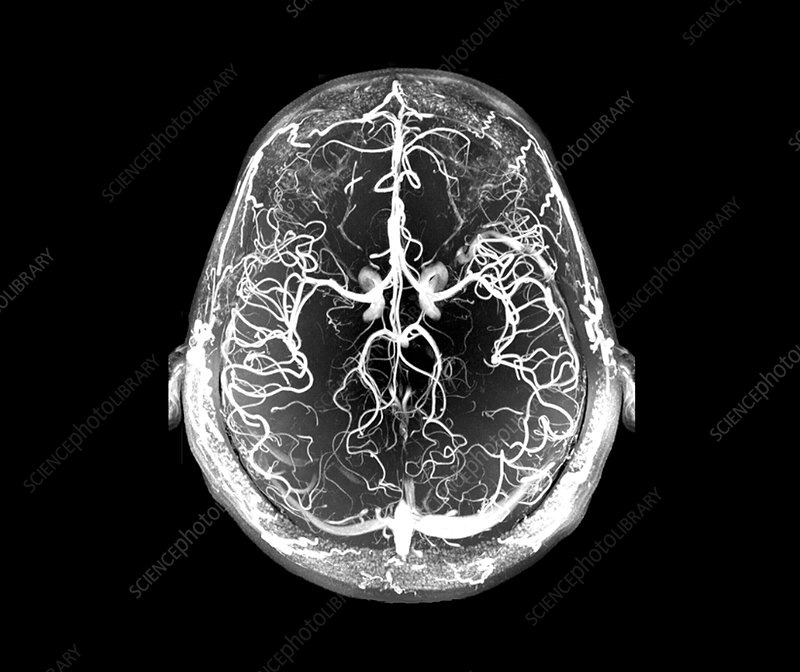
That was always amazing for me to see, and it shows how far we’ve really come with understanding the human body and the brain, even if there is still a lot we don’t understand.
While this blog post only lightly touches on how this all played out, if you’re interested in learning more about Phineas Gage and/or how the field of neurology has evolved over the past 180 years, please feel free to click or tap on any of the links riddled throughout this post!
Thank you for reading!

Phoebe Sol
Fascinating read!
Vinnie
Glad you liked it!