

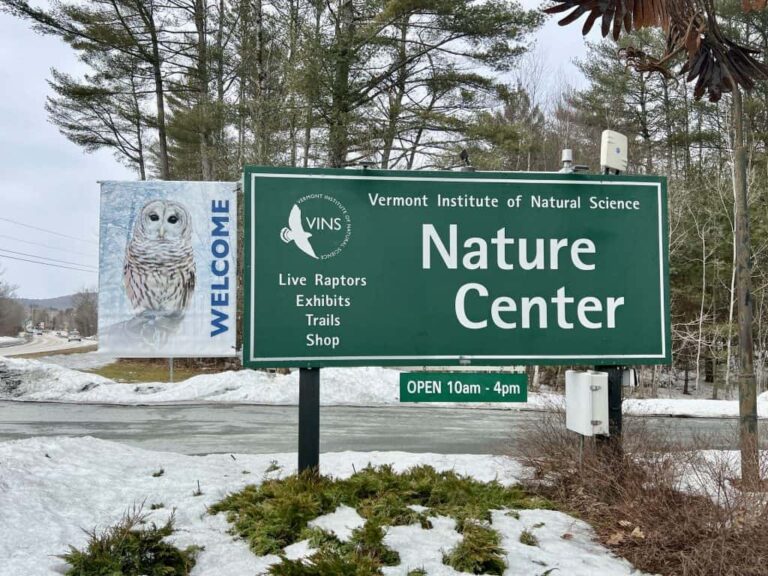
Woodstock, Vermont is a popular tourist destination for seeing the local shops, art galleries, food, and the beautiful Woodstock Inn. On your way there on Route 4 West, however, you might see a sign on your right as you drive through the jurisdiction of Quechee that says “VINS.” This is the Vermont Institute of Natural Science. Situated on a 47-acre campus, VINS is dedicated to environmental education and rehabilitation.
The history of VINS begins in 1970 when a local Woodstock dentist named David Laughlin agreed to spearhead a study of the Ottauquechee River proposed by one of his patients. At the time, there was a lot of waste and pollution going into the Ottauquechee, and so with three others, Rick Farrar, Sally Laughlin, and June McKnight, they were ultimately able to get the river cleaned up, which also led to the first water quality litigation in the state!
The success of that venture led to them wanting to expand environmental awareness to others, and what better way than to bring that to kids, who could grow up to be environmentalists? VINS was officially established in Woodstock in 1972.
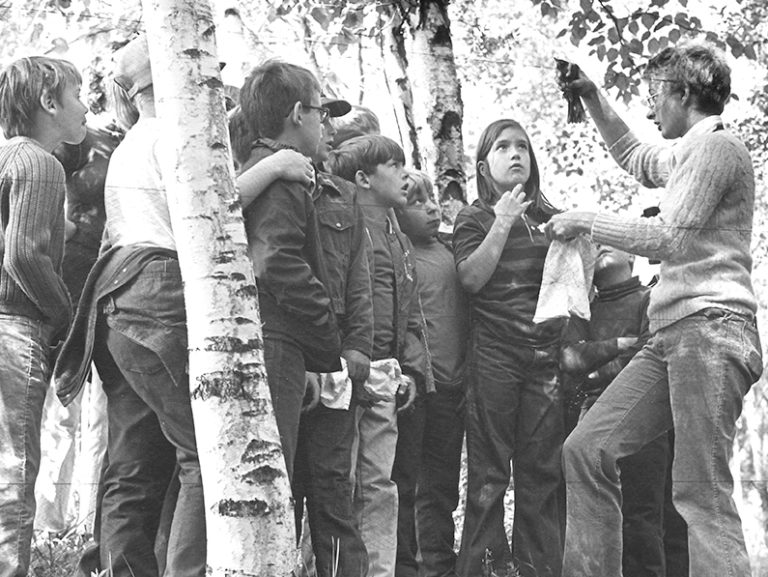
Rick Farrar became the Executive Director and held that position for two years before Sally Laughlin took over in 1974, which is also the year that 57 acres of land in Woodstock was donated to VINS by June McKnight. Sally was banding birds by this time (which she learned from Rick), and she also held the Executive Director position for 18 years. Over that time, members grew to over 5,000 people.
From the 1970s to 80s, the Environmental Learning for the Future (ELF) program was created, which was essentially a group of volunteers who explored the environment with kids to educate them about nature. By 1986, the ELF curriculum was officially published under the name Hands-On Nature, then a few years later it was revised and wound up earning several awards. 1986 also marks around the time when bird banding was discontinued in favor of broader citizen science initiatives that engaged volunteers in data collection and habitat monitoring.
Programs like these created by VINS reached over 35,000 schoolchildren and 26,000 adults by 2002, and eventually VINS school programs were officially created, where 43 schools throughout Vermont and New Hampshire currently utilize the initiatives in their STEM (Science, Technology, Engineering, and Mathematics) learning programs.
Leading up to 1982, people were bringing injured birds to the institute on a regular basis for rehabilitation, which eventually led to the opening of the Vermont Raptor Center in 1987, which had a behind-the-scenes-infirmary and an exhibit area for visitors to observe resident hawks, falcons, eagles, and owls. This was a huge hit and soon brought in 25,000 visitors a year because of this new exhibit.
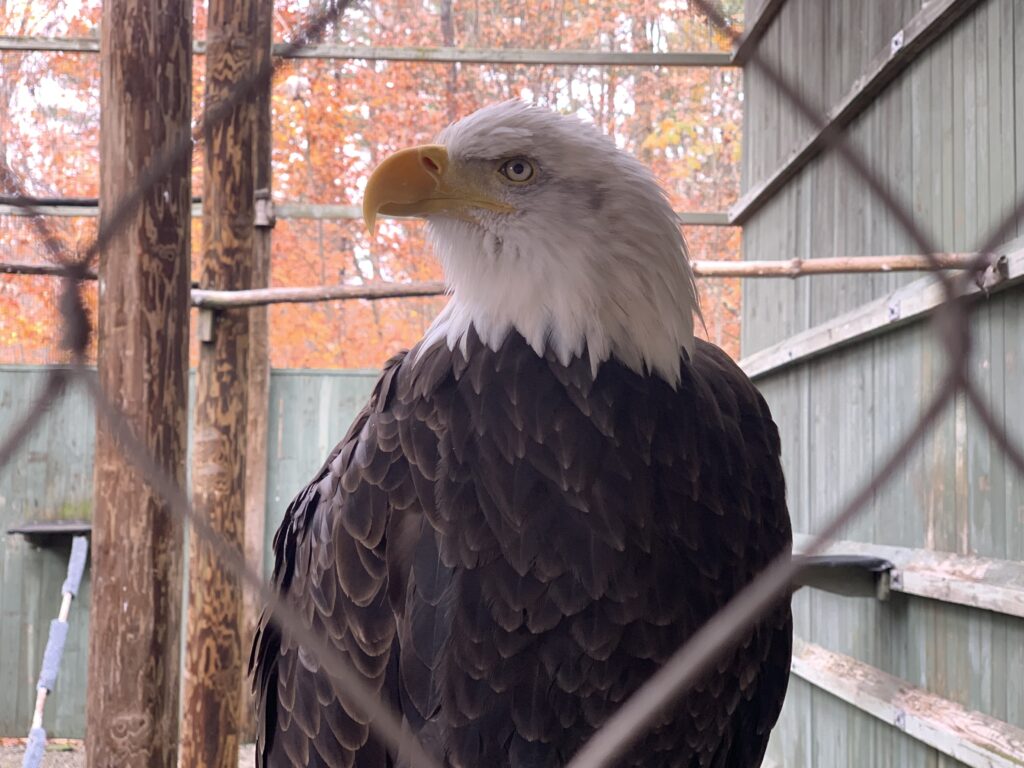
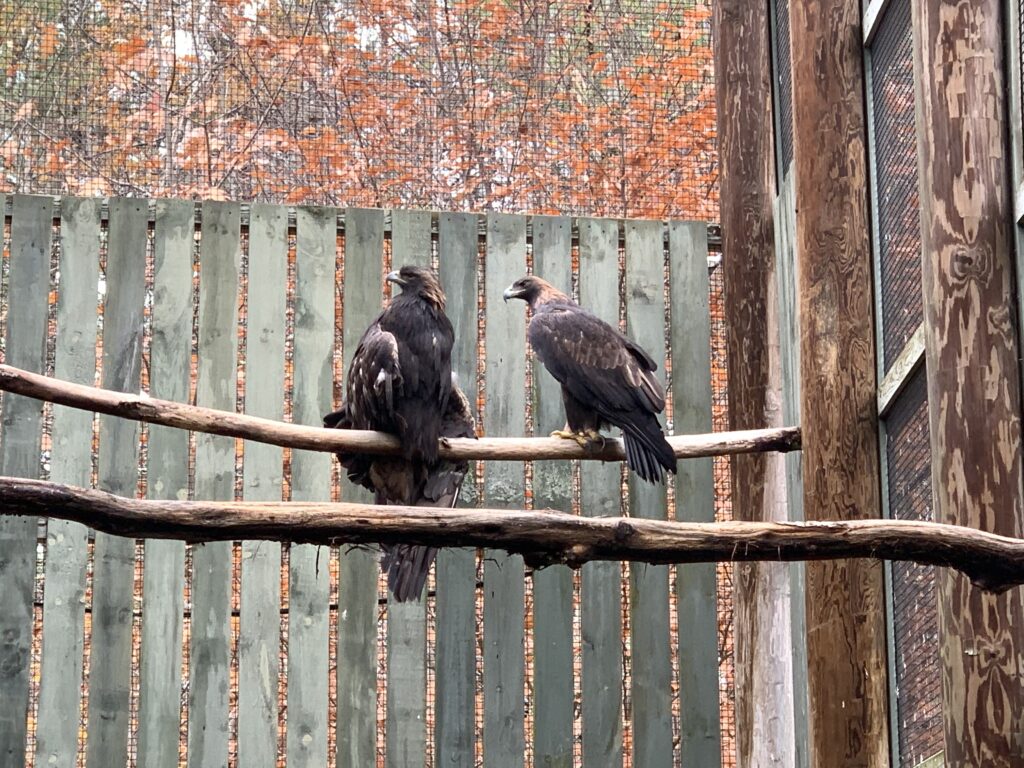
On a side note: the raptor family is extensive at over 500 predatory birds and includes eagles, hawks, falcons, owls, vultures, kites, harriers, ospreys, caracaras, seriemas, and the secretarybird. VINS currently has over 40 raptors on site.
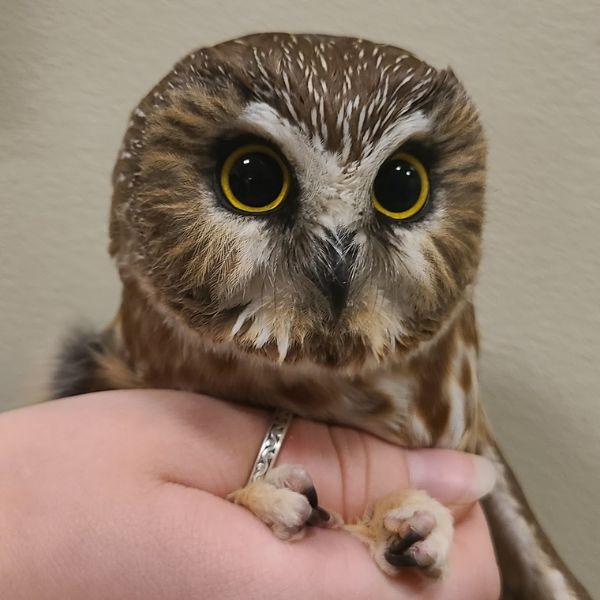
In 2001, land was purchased at the VINS’ current location in Quechee, and in 2004, the VINS Nature Center was opened to the public.
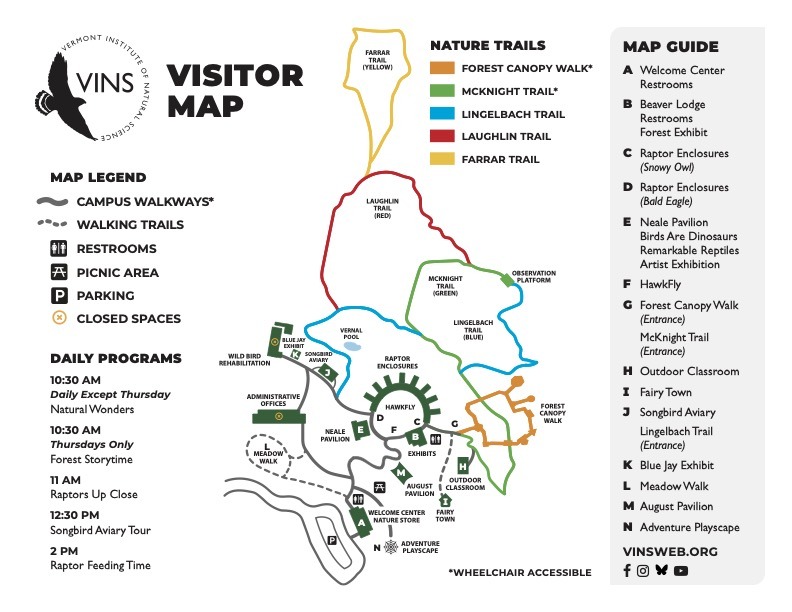
Today, you’re able to enjoy camps for kids, nature walks on the property, tours, bird shows, an artist exhibition, scavenger hunts, a kids play area, the massive 900-foot long Forest Canopy Walk that was installed in 2019 (click here to see how it was made), and of course, viewing raptors in large cages.
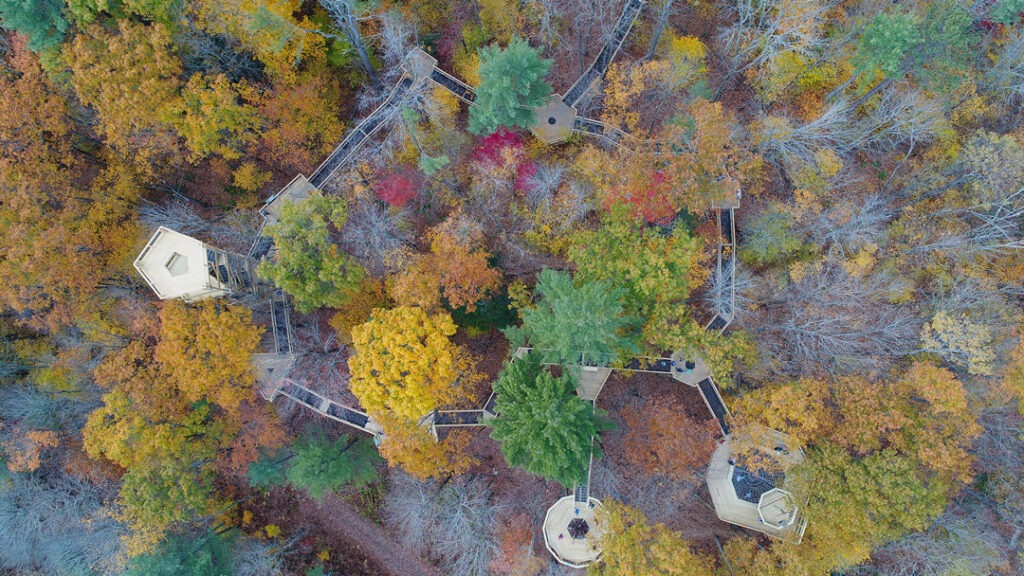
The VINS organization attracts over 86,000 visitors annually and rehabilitates thousands of injured and orphaned birds each year, emphasizing hands-on learning to foster environmental stewardship.
My family and I have been to VINS a few times. It’s great to go in the summer and walk through the property to see the raptor cages and talks, the walking trails, the Forest Canopy Walk, and each building with varied activities and displays. If you go there in the winter, it’s a must to do the Forest of Lights canopy walk at night between November and January, as it’s all lit up and beautiful, then warm up by their campfire with hot chocolate, cider, and snacks that are for sale.
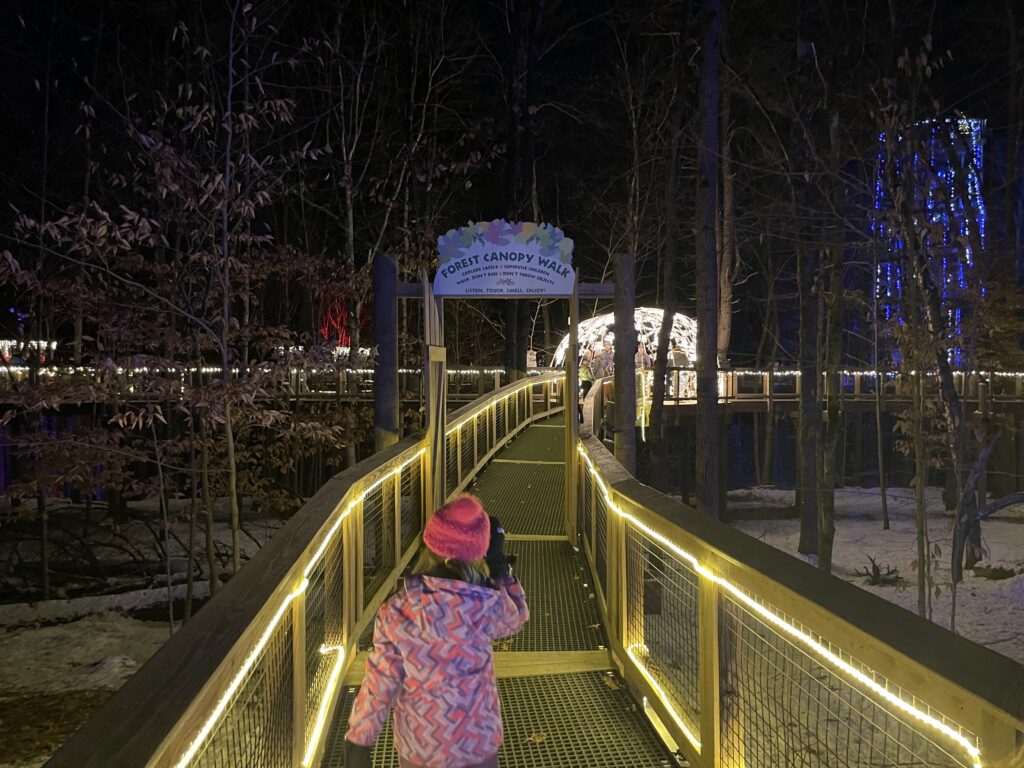
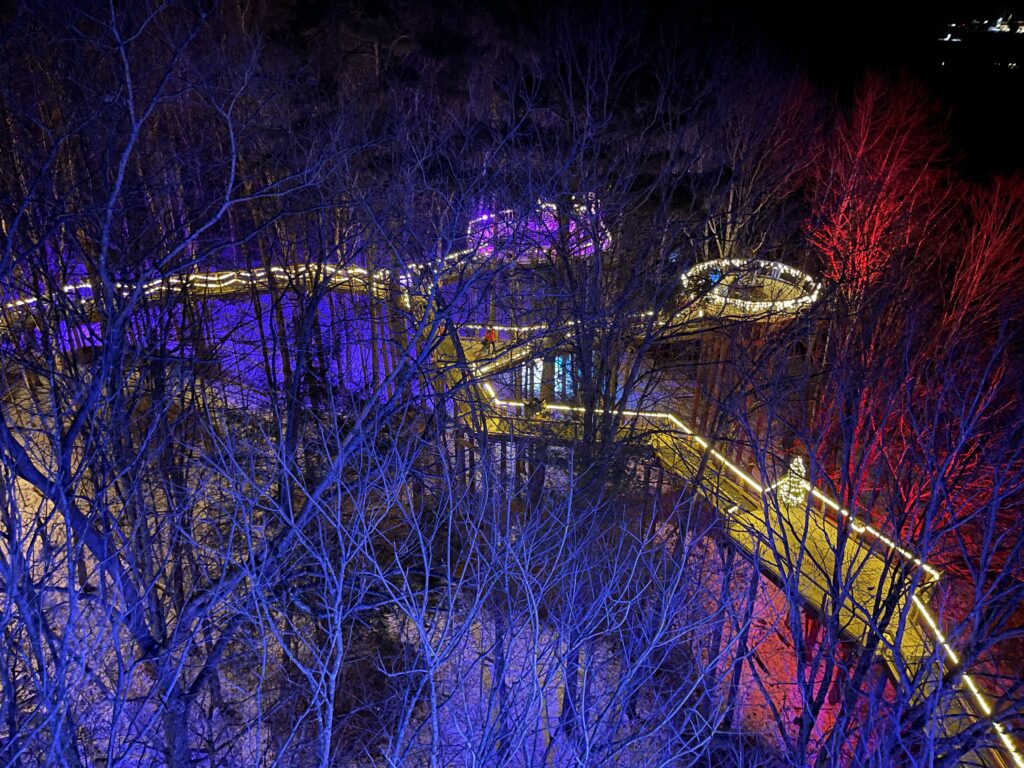
Please make it a point to visit VINS with your family at any time of year for seasonal activities!

Phoebe
Thanks for the write up, I love VINS! I first discovered it while homeschooling my kids, when it was located in Woodstock. I have yet to take in the winter lights display.
Vinnie
Oh wow, nice! And the winter light display is really neat; definitely worth checking out (next year, when they do it again).